

For modern B2B enterprises, revenue is not an accident. It is the result of engineered systems. According to recent industry benchmarks, companies that align their sales and marketing operations within a unified CRM platform see a 29% increase in revenue predictability. This statistic highlights why optimizing HubSpot is no longer optional for growing businesses. It is the foundational infrastructure for scalable growth. Without a optimized architecture, even the best talent struggles to convert leads into loyal customers. (Revenue Operations Agency About)
Why HubSpot is Critical for B2B Scaling
HubSpot is a CRM platform that provides software and support to help businesses grow better. For B2B companies, the complexity of long sales cycles and multiple stakeholders requires a tool that can map the entire customer journey. Generic CRMs often fail to connect marketing efforts directly to closed revenue. HubSpot bridges this gap by unifying data across every touchpoint. (Blog amp Resources)
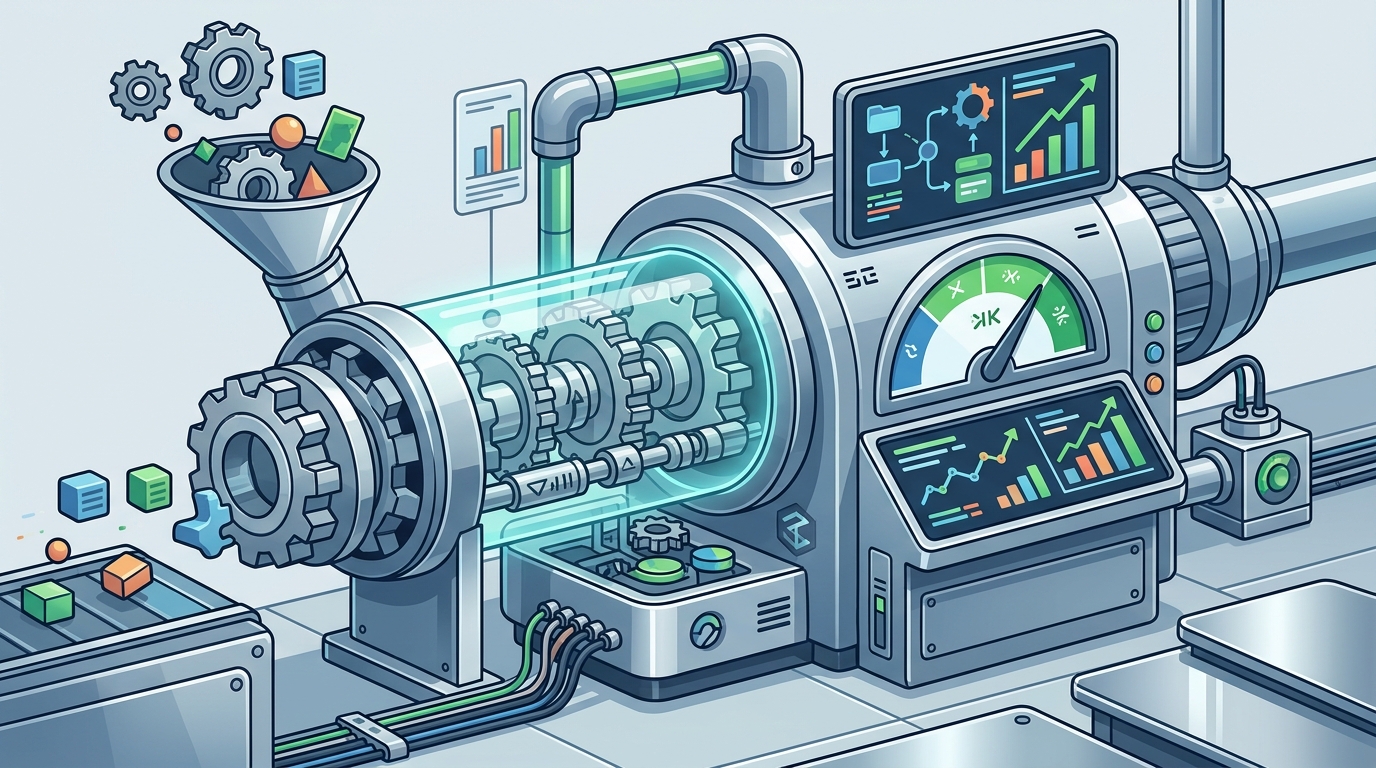
When you optimize your HubSpot instance, you are not just organizing contacts. You are building a revenue engine. This engine captures intent, nurtures relationships, and accelerates deal closure. The difference between a stagnant CRM and an optimized one is the difference between guessing and knowing your next move. (AI Agents)
Mastering the Core Hubs
Optimization begins with understanding the four pillars of the HubSpot ecosystem. Each hub serves a distinct function in the revenue lifecycle. Ignoring the interconnectivity of these hubs leads to data silos and operational friction.
Marketing Hub Implementation
The Marketing Hub is the engine of lead generation. Optimization here means moving beyond basic email blasts. It requires advanced segmentation, personalized content delivery, and robust attribution modeling. When implemented correctly, the Marketing Hub tracks a prospect from their first blog visit to their final contract signature. This visibility allows marketers to allocate budget to high-performing channels rather than guessing.
Sales Hub Implementation
Sales Hub is where relationships are managed. For B2B sales teams, optimization involves configuring pipelines that reflect the actual buying process. This includes setting up deal stages, forecasting tools, and communication logging. A well-optimized Sales Hub ensures that no lead falls through the cracks. It provides sales reps with the context they need to have informed conversations.
Service Hub Implementation
Service Hub is often overlooked in growth strategies. However, customer retention is cheaper than acquisition. Optimizing Service Hub involves setting up ticketing systems, knowledge bases, and customer feedback loops. This ensures that existing customers feel supported, turning them into advocates who drive referrals.
CMS Hub Implementation
Your website is your digital storefront. The CMS Hub allows for seamless integration with your CRM data. Optimization here means creating dynamic content that changes based on the visitor's profile. If a known lead visits your pricing page, the content should reflect their specific industry pain points. This level of personalization significantly boosts conversion rates.
The Foundation: Data Integrity and CRM Health
Garbage in, garbage out. This adage is the most critical rule in HubSpot optimization. If your data is messy, your automation will fail, and your reporting will be inaccurate. Data integrity is the practice of maintaining reliable and accurate data throughout its lifecycle.
To optimize data health, you must establish strict entry protocols. This includes standardizing contact properties, removing duplicates, and enforcing required fields. Regular data audits are essential. They help identify stagnant records and outdated information that clutter your database. A clean CRM allows for precise segmentation and targeted outreach.
Consider the impact of a single data point. If a contact's job title is incorrect, your automated email sequence might address them wrongly. This erodes trust and reduces engagement. By prioritizing data hygiene, you ensure that every interaction is relevant and timely.
Strategic Automation and AI Integration
Automation is the force multiplier for any B2B team. It allows you to scale your efforts without scaling your headcount proportionally. However, automation must be strategic. Blindly automating every process leads to robotic interactions that alienate prospects.
AI Agents for Sales Intelligence
Recent advancements in AI have transformed how we approach sales intelligence. AI Agents like Astro and Nebula can supercharge your sales pipeline by providing real-time insights. Astro focuses on rapid data extraction and building comprehensive prospect profiles. Nebula handles real-time data updates and automated data enrichment. These tools ensure that your sales team has the most current information at their fingertips.
By integrating these AI capabilities, you reduce the manual work of prospecting. Your team can focus on high-value activities like negotiation and relationship building. This shift in focus drives higher win rates and shorter sales cycles.
Workflow Automation
Workflows in HubSpot allow you to automate repetitive tasks. This includes sending follow-up emails, updating contact properties, and assigning tasks to team members. Effective workflow optimization requires a clear understanding of your buyer's journey. Map out the triggers and actions that make sense at each stage. Test your workflows regularly to ensure they are executing as intended.
Workflow Optimization for Sales Velocity
Sales velocity is the speed at which deals move through your pipeline. Optimizing workflows directly impacts this metric. Slow sales processes are often caused by manual data entry and unclear next steps. By streamlining these processes, you accelerate revenue realization.
One effective strategy is implementing a Fast Track Onboarding process for new clients. This ensures that the transition from sales to service is seamless. It also applies to internal onboarding. New team members should be able to navigate the CRM efficiently from day one. This reduces ramp-up time and increases overall team productivity.
Another key aspect is account-based marketing (ABM). For B2B companies targeting large enterprises, ABM allows for highly personalized outreach. By aligning your sales and marketing efforts around specific accounts, you can create a cohesive experience for key decision-makers. This approach increases the likelihood of closing high-value deals.
Content Strategy and CMS Optimization
Content is the fuel for your marketing engine. However, creating content is not enough. You must optimize it for search engines and user experience. This involves keyword research, meta tag optimization, and internal linking strategies.
Your CMS should be structured to support your SEO goals. This means using clean URL structures, optimizing page load speeds, and ensuring mobile responsiveness. Additionally, leverage your CRM data to create content that addresses specific buyer personas. If your data shows that prospects are interested in ROI calculations, create case studies and whitepapers that highlight these metrics.
Regularly audit your content to identify gaps and opportunities. Update old posts with fresh information and new keywords. This keeps your content relevant and improves your search rankings over time. A well-optimized content strategy drives organic traffic and generates qualified leads.
Key Takeaways
- Unified Data is Non-Negotiable: A clean CRM is the foundation of all optimization efforts. Without it, automation and reporting fail.
- AI Enhances, Not Replaces: Tools like Astro and Nebula provide critical data insights, allowing your team to focus on strategy.
- Alignment Drives Revenue: Marketing and sales must operate within the same HubSpot ecosystem to ensure accurate attribution.
- Automation Requires Strategy: Automate processes that are repetitive and rule-based, but keep human touchpoints for high-value interactions.
- Continuous Optimization: HubSpot is not a set-it-and-forget-it tool. Regular audits and adjustments are necessary for sustained growth.
- Service Hub Matters: Customer retention is a key part of the revenue cycle. Do not neglect the Service Hub.
- Fast Track Onboarding: Streamlining onboarding for both clients and employees reduces friction and increases efficiency.
Frequently Asked Questions
How long does it take to optimize a HubSpot instance?
Optimization is an ongoing process. However, a comprehensive initial audit and implementation typically takes between 3 to 6 months. This timeline allows for proper data migration, workflow configuration, and team training.
What is the difference between Marketing Hub and Sales Hub?
Marketing Hub focuses on attracting and nurturing leads through content and campaigns. Sales Hub focuses on managing those leads, closing deals, and forecasting revenue. They are designed to work together seamlessly.
Can HubSpot integrate with other tools?
Yes, HubSpot has a vast ecosystem of integrations. It connects with popular tools like Salesforce, Slack, and various analytics platforms. This ensures your tech stack works as a cohesive unit.
How does AI improve B2B sales?
AI improves B2B sales by providing real-time data insights and automating data enrichment. This allows sales reps to engage with prospects more effectively and efficiently.
What is Account-Based Marketing?
Account-Based Marketing is a strategy that focuses on targeting specific high-value accounts with personalized content and outreach. It aligns sales and marketing efforts to close larger deals.
Why is data integrity important in HubSpot?
Data integrity ensures that your reports are accurate and your automation triggers work correctly. Poor data quality leads to missed opportunities and frustrated customers.
What is a CRM Build Out?
A CRM Build Out is the process of configuring and customizing your CRM platform to meet your specific business needs. This includes setting up objects, properties, and workflows.
Start Your Engine
Optimizing your HubSpot instance is a strategic investment in your company's future. It requires expertise, precision, and a deep understanding of B2B sales dynamics. If you are ready to scale your revenue and streamline your operations, it is time to take action.
Set2Close specializes in Fractional Revenue Operations and HubSpot optimization. We help B2B companies build predictable revenue systems and achieve sustainable growth. Do not let your CRM become a liability. Turn it into your greatest asset.
Contact Set2Close today to schedule your consultation. Let us help you start your engine and drive your business forward.