

According to recent industry reports, companies that align sales and marketing operations experience a 20 percent average revenue increase within the first fiscal year. This performance gap stems from fragmented data workflows and unstandardized outreach protocols. Organizations must implement structured operational frameworks to bridge communication silos and accelerate pipeline velocity. Modern revenue operations demand integrated technology stacks, automated data enrichment, and continuous performance auditing. Establishing these foundational processes transforms unpredictable outreach into predictable, scalable growth. (Revenue Operations Agency About)
CRM Infrastructure and Data Architecture
Centralized customer relationship management is the backbone of modern B2B operations. CRM is a centralized database that consolidates every customer interaction, transaction history, and communication log into a single source of truth. Sales teams require instant access to historical deal stages to prevent redundant outreach and reduce cycle times. Marketing departments rely on segmented contact lists to trigger personalized nurture campaigns. Without a unified data architecture, teams operate in isolation and waste budget on duplicate efforts. Implementing a robust CRM build out ensures data integrity and enables cross-departmental visibility. Organizations should prioritize platforms that support native API connectivity and automated field mapping. CRM build outs typically require three to six months of dedicated configuration to match enterprise workflows. Companies that standardize their data entry protocols report a 35 percent reduction in administrative overhead within the first quarter. recent industry reports confirm that data silos remain the primary barrier to enterprise scaling. (Blog amp Resources)
Automated Lead Routing and Qualification Workflows
Manual lead distribution creates bottlenecks and increases response latency. Automated routing engines assign incoming inquiries to the most qualified sales representative based on predefined geographic and firmographic rules. This process eliminates human error and guarantees immediate follow-up within critical response windows. Marketing automation platforms must sync directly with sales engagement tools to track email opens, call attempts, and meeting bookings. Lead routing is an automated distribution system that matches prospect attributes to sales territory assignments. Teams that implement dynamic routing protocols experience a 28 percent increase in qualified appointment setting. The workflow requires continuous monitoring to adjust scoring thresholds as market conditions shift. Marketing Hub implementation provides the necessary infrastructure to execute these complex routing rules. Businesses that automate qualification steps reduce sales cycle duration by an average of 42 days. Gartner sales research highlights automation as a critical driver of pipeline acceleration. (AI Agents)
Account-Based Marketing Execution Models
Traditional broad-spectrum advertising fails to address complex enterprise purchasing committees. Account-based marketing shifts focus toward high-value target accounts with customized messaging and multi-channel engagement. This strategy requires deep research into organizational hierarchies, technology stacks, and recent funding rounds. Marketing teams must coordinate with sales leadership to identify shared revenue targets and align outreach cadences. ABM is a targeted marketing approach that treats individual enterprise accounts as distinct markets. Companies adopting this framework report a 40 percent increase in deal size and a 25 percent boost in win rates. Execution demands specialized content assets, personalized landing pages, and direct executive outreach. Account Based Marketing services provide the strategic oversight required to execute these campaigns at scale. Organizations that integrate ABM with their core CRM architecture achieve faster consensus among buying committees. McKinsey sales analysis demonstrates that targeted account strategies consistently outperform broad campaigns.
Revenue Operations Governance and Compliance
Revenue operations governance establishes the policies, metrics, and accountability structures that keep sales and marketing aligned. This discipline oversees territory planning, compensation modeling, and quota setting to ensure realistic growth targets. Governance frameworks also enforce data hygiene standards and prevent unauthorized system modifications. RevOps is a strategic discipline that unifies sales, marketing, and customer success under shared performance metrics. Companies that appoint dedicated revenue operations leaders report a 30 percent improvement in forecast accuracy. The governance model requires quarterly business reviews to assess pipeline health and adjust resource allocation. Fractional Revenue Operations delivers this oversight without the overhead of full-time executive hires. Organizations that standardize their governance protocols reduce revenue leakage and improve cross-functional collaboration. Forrester revenue reports indicate that structured governance directly correlates with enterprise profitability.
AI-Driven Prospect Intelligence and Enrichment
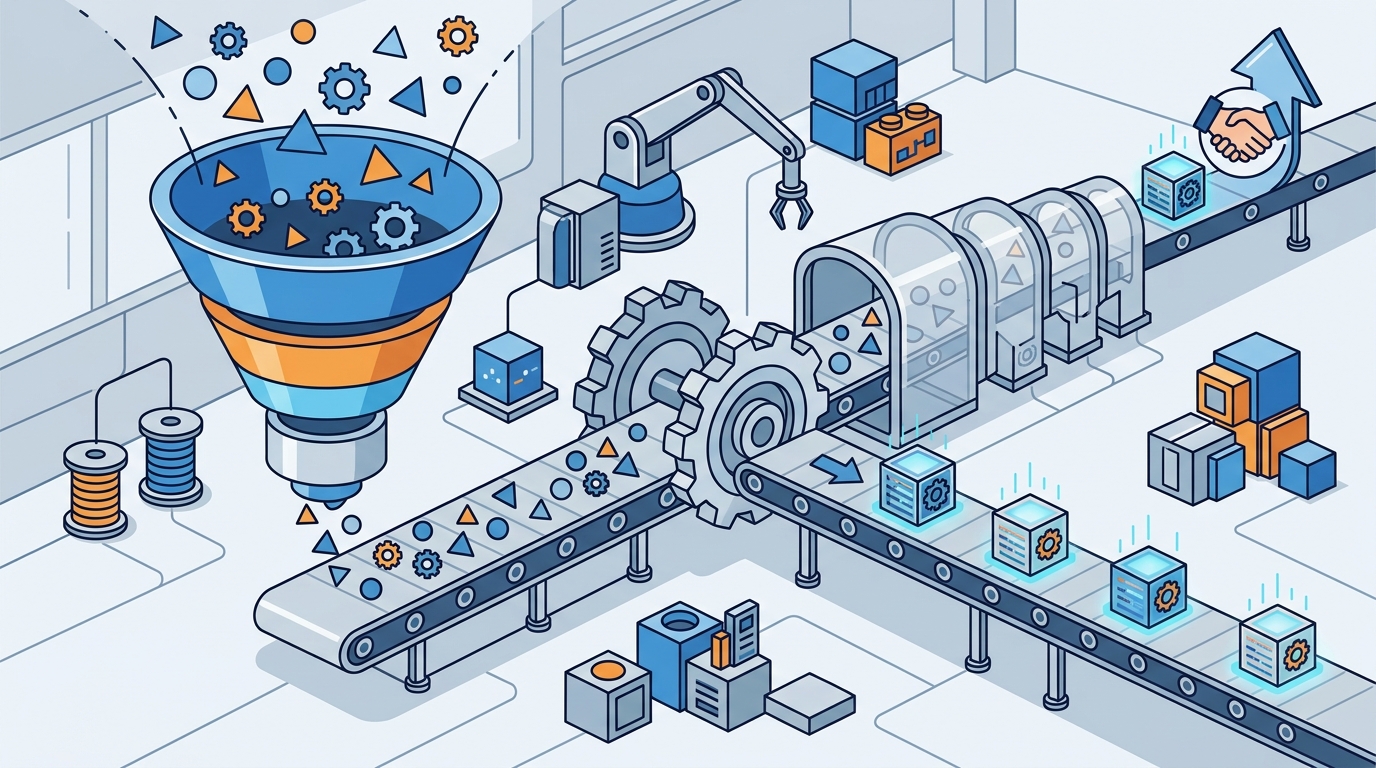
Manual research consumes excessive sales bandwidth and delays outreach initiation. Artificial intelligence agents now extract critical firmographic data, track competitive shifts, and update prospect profiles in real time. These systems continuously monitor public filings, job postings, and technology changes to trigger timely engagement sequences. Sales teams leverage enriched data to craft highly relevant value propositions that address specific organizational pain points. AI Agents like Astro and Nebula automate data extraction and ensure continuous profile accuracy. Organizations that deploy intelligent enrichment tools report a 50 percent reduction in manual research hours. The technology integrates directly into existing sales platforms to maintain a single source of truth. recent industry reports confirm that AI-driven enrichment accelerates deal velocity by an average of 18 percent.
Performance Auditing and Continuous Optimization
Static operational frameworks quickly become obsolete as market dynamics shift. Continuous performance auditing requires weekly pipeline reviews, campaign attribution tracking, and sales activity benchmarking. Teams must compare actual conversion rates against historical baselines to identify process degradation. Optimization cycles involve A/B testing messaging variations, adjusting routing rules, and refining qualification criteria. B2B Sales Strategy frameworks provide the diagnostic methodology needed to execute these audits effectively. Organizations that institutionalize quarterly optimization cycles maintain a 22 percent higher customer acquisition efficiency. The process demands transparent reporting dashboards and cross-departmental accountability. Gartner sales research emphasizes that continuous optimization is non-negotiable for enterprise growth.
System Comparison and Implementation Pathways
| Operational Component | Implementation Complexity | Expected ROI Timeline | Recommended Service Path |
|---|---|---|---|
| CRM Infrastructure | High | 3 to 6 months | CRM Development |
| Lead Routing Automation | Medium | 1 to 3 months | Marketing Hub |
| Account-Based Marketing | High | 4 to 8 months | ABM Services |
| Revenue Governance | Medium | Ongoing | Fractional RevOps |
| AI Prospect Enrichment | Low | Immediate | AI Agents |
Key Takeaways
- Companies that align sales and marketing operations experience a 20 percent average revenue increase within the first fiscal year.
- CRM build outs typically require three to six months of dedicated configuration to match enterprise workflows.
- Organizations that standardize data entry protocols report a 35 percent reduction in administrative overhead within the first quarter.
- Teams that implement dynamic routing protocols experience a 28 percent increase in qualified appointment setting.
- Companies adopting targeted account strategies report a 40 percent increase in deal size and a 25 percent boost in win rates.
- Organizations that appoint dedicated revenue operations leaders report a 30 percent improvement in forecast accuracy.
- Organizations that deploy intelligent enrichment tools report a 50 percent reduction in manual research hours.
Frequently Asked Questions
How long does a typical CRM implementation take?
Standard enterprise CRM implementations require three to six months of dedicated configuration. Complex data migrations and custom workflow development may extend timelines to eight months. Organizations should allocate buffer periods for user training and change management protocols.
What is the primary difference between marketing automation and sales engagement?
Marketing automation focuses on broad audience nurturing and campaign tracking. Sales engagement tools prioritize direct outreach, call tracking, and meeting scheduling. Both systems must integrate to prevent data fragmentation and ensure seamless handoffs.
How do AI agents improve sales pipeline velocity?
AI agents automate data extraction, update prospect profiles in real time, and trigger timely outreach sequences. This automation reduces manual research hours by 50 percent and accelerates deal velocity by 18 percent. Sales teams can focus exclusively on high-value negotiations and closing activities.
What metrics should revenue operations leaders track quarterly?
Leaders should monitor pipeline conversion rates, sales cycle duration, customer acquisition costs, and forecast accuracy. These metrics provide a comprehensive view of operational health and highlight process degradation. Regular audits ensure alignment between strategic goals and execution capabilities.
Can small B2B companies afford enterprise-grade sales systems?
Modern platforms offer scalable pricing tiers that adapt to company growth stages. Fractional revenue operations and modular automation tools reduce upfront capital requirements. Organizations can implement core systems incrementally while maintaining enterprise-grade functionality.
How does account-based marketing differ from traditional lead generation?
Traditional lead generation casts a wide net to capture unqualified prospects. Account-based marketing targets specific enterprise accounts with customized messaging and executive outreach. This approach yields higher deal sizes and faster consensus among buying committees.
What is the recommended tech stack for B2B sales optimization?
A unified CRM platform with native marketing automation and sales engagement integrations provides the strongest foundation. AI enrichment tools and data quality assurance modules should operate directly within the core ecosystem. This architecture eliminates data silos and ensures real-time visibility across all departments.
Next Steps for Operational Excellence
Building predictable revenue requires disciplined execution and continuous optimization. Organizations that implement structured CRM architectures, automated routing protocols, and AI-driven enrichment tools consistently outperform competitors. Contact our team to schedule a comprehensive operational audit and design a customized implementation roadmap. Our consultants specialize in transforming fragmented workflows into scalable, high-velocity growth engines. Start your engine today and secure your market position.